
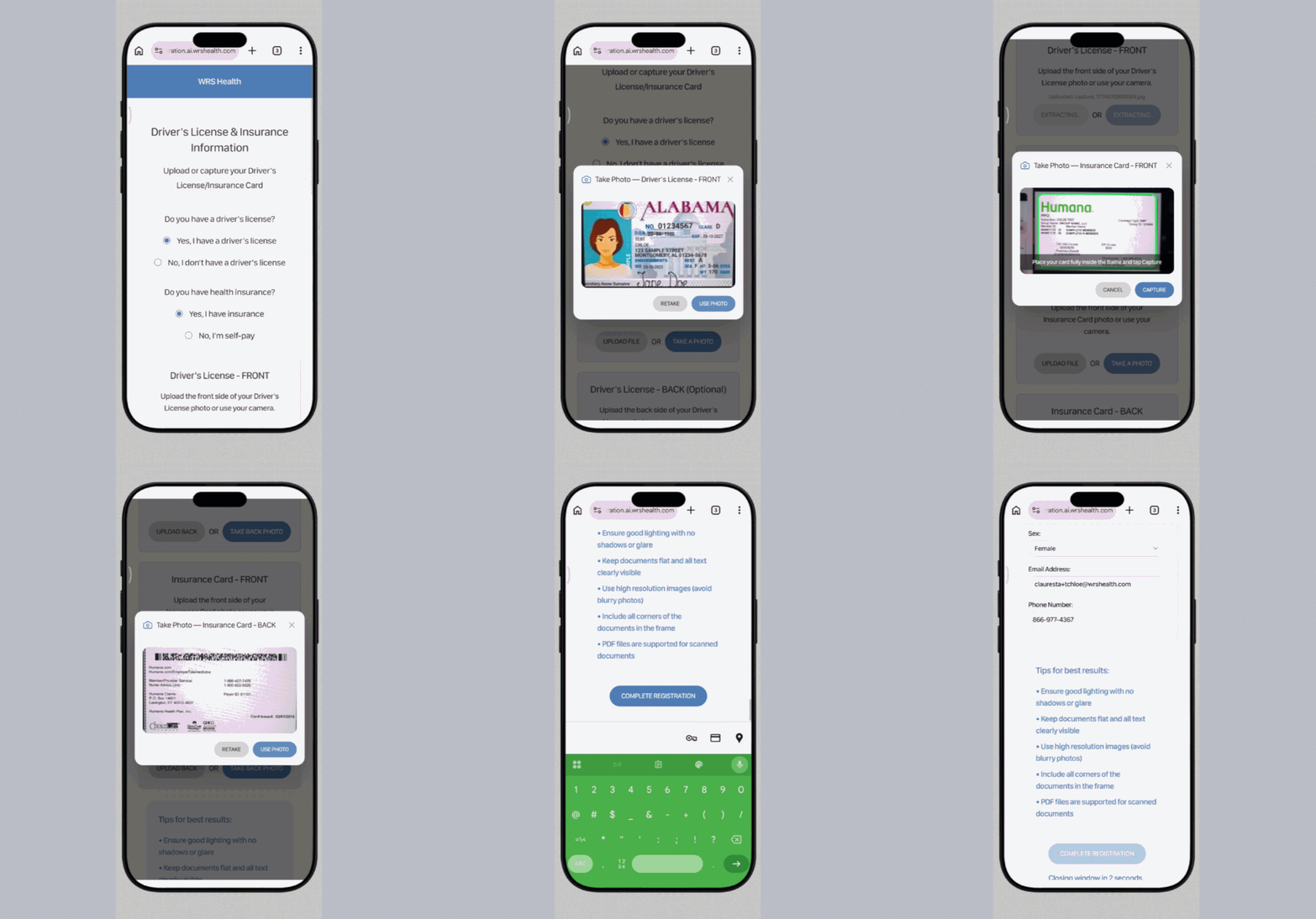
Patients enter their own information before the visit, reducing front-desk workload and speeding intake.
OCR from government and insurance IDs captures accurate demographics and insurance details.
Forms are completed ahead of time, removing check-in bottlenecks and allowing issues to be resolved early.
Insurance eligibility is checked before the encounter, helping practices understand coverage and avoid payment surprises.
AI works best when it understands the full context of a patient visit. The Patient Self-Registration Agent gathers structured information before the encounter begins, giving the platform the details it needs to support clinicians, staff, and more effective care delivery.
The Patient Self-Registration Agent collects demographics, insurance details, and visit reasons before the encounter begins. This creates structured context the platform can understand and use.
When patient information is gathered early, other agents can interpret why the patient is being seen and support documentation, coding, and follow-up tasks.
Structured intake data moves through the platform so clinicians, staff, and automation workflows all reference the same patient context.
Though the Patient Self-Registration Agent supports the entire care workflow, one of its most immediate benefits appears at the front desk. By collecting insurance information early and verifying coverage before the visit, the agent helps practices avoid one of the most common and frustrating check-in problems: last-minute eligibility surprises.

Consider a patient named Felix.
Felix arrives for his appointment and sees two people already waiting in line at the front desk. The first patient takes about 10 minutes to check in. The next person takes another 10 minutes.
By the time Felix steps up, the visit is already running behind.
Felix hands over his insurance card and ID. The front desk begins entering the information and running eligibility checks. A few minutes later, the result comes back: Felix’s coverage is inactive.
Now the staff has to explain the situation, discuss payment options, or reschedule the visit entirely. The schedule slows down, the waiting room grows more crowded, and Felix leaves frustrated.

Felix completes registration online before the visit.
Insurance information is captured in advance and eligibility is verified automatically. If coverage issues appear, the Felix is notified right away and can resolve the issue ahead of time.
When Felix arrives, the chart is prepared, the front desk line moves faster, and the visit starts on schedule.
Find out how the Self-Registration agent can make an
impact to your practice.
Most patient portals simply provide digital versions of the same paperwork patients would complete in the waiting room. Patients fill out forms, and staff still review, organize, and verify the information afterward.
The Patient Self-Registration Agent goes further. It collects structured information, validates required fields, verifies insurance eligibility, and prepares the patient chart before the visit begins.
Because the information is organized and ready to use, it can also inform other workflows across the platform, including documentation, coding, and billing processes. The result is less manual intake work for staff and a more prepared chart when the visit starts.
The Patient Self-Registration Agent collects structured information directly from patients through guided forms and validation checks. Required fields, formatting rules, and insurance verification reduce incomplete or incorrect entries. Staff can also review the information before the visit begins, so the chart starts with organized, reliable context.
No. The goal is to remove manual intake work, not add steps. Most patient information is collected before the visit, which means staff spend less time entering demographics, scanning insurance cards, or chasing missing forms.
Patients can still complete registration in the practice if needed. The agent simply moves as much of the process as possible before the visit so the front desk has less to handle when patients arrive.
Yes. Intake forms, questionnaires, and screening tools can be configured to match the needs of your specialty and practice workflows. This helps ensure clinicians receive relevant information before the encounter.
Yes. Patient data is collected through secure, HIPAA-compliant workflows and stored directly within the platform’s patient record. Access controls and audit trails help practices maintain visibility over how information is collected and used.
By gathering patient information early, the chart already contains key details when the visit begins. This context supports clinical documentation, coding, and other workflows that depend on accurate patient data.
Most patients prefer completing forms from home rather than filling out paperwork in the waiting room. The process works on any device and saves progress automatically, making it easy for patients to complete registration before arriving.
Information collected during registration becomes structured context for the rest of the system. Other agents can reference this information to support documentation, coding, and operational workflows throughout the visit.