
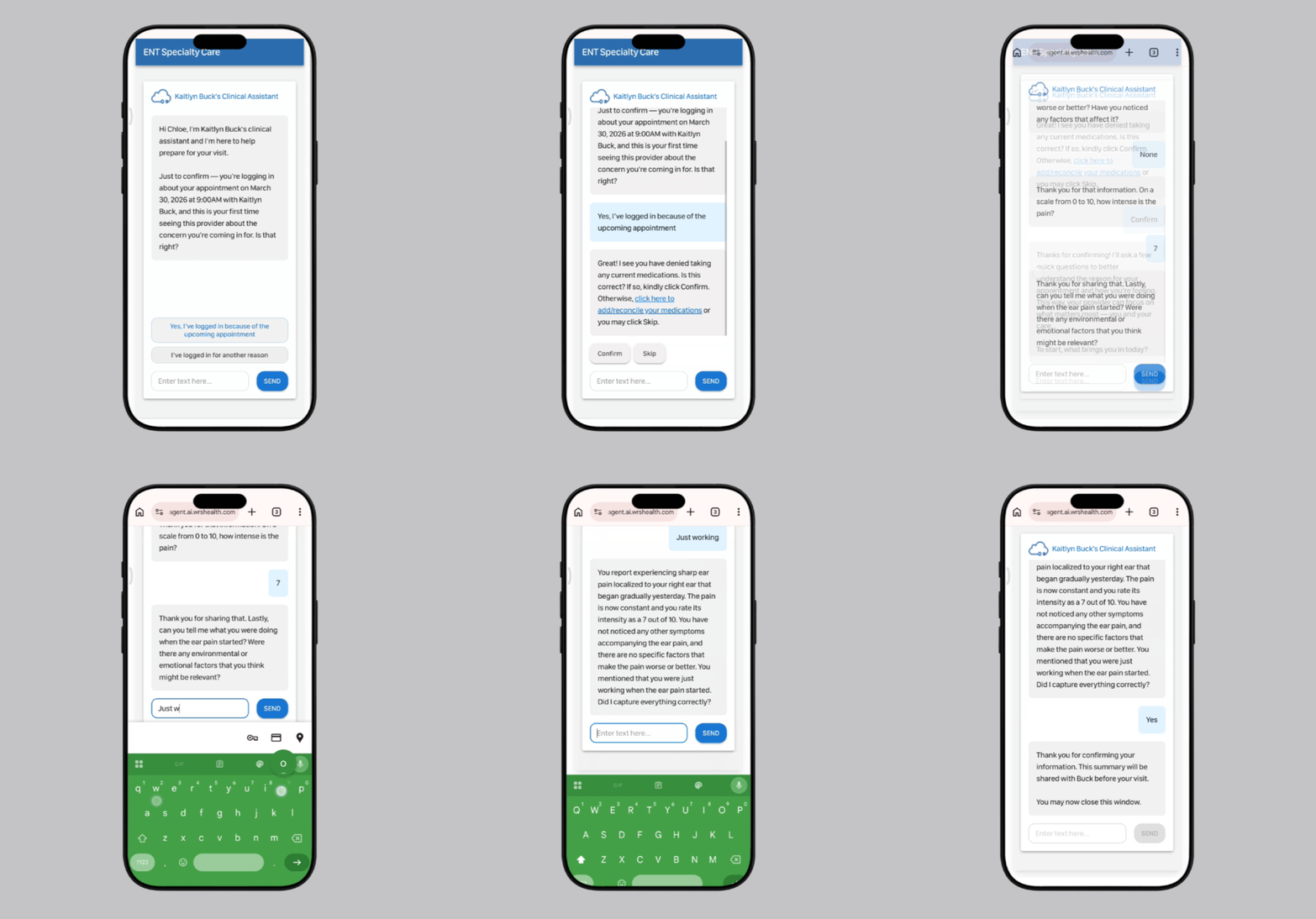
The first part of most visits is spent asking the same questions—what’s going on, when it started, how it feels, and what’s changed. The HPI Agent guides patients through a structured pre-visit interview, so clinicians begin with a clear, organized history instead of starting from scratch.
Patients respond to guided questions before the visit, using simple prompts and quick responses.
The agent asks about onset, duration, severity, and related symptoms—capturing the details clinicians need to understand the issue.
Patients complete the HPI in advance, reducing time spent gathering basic information during the visit.
Patient input is organized into a structured format that clinicians can review at the start of the encounter.
Explore how our HPI Agent functions with the demo below:
Good clinical decisions depend on understanding the full context of a patient’s condition.The HPI Agent gathers that context before the encounter begins. Through a guided interview, it captures how symptoms started, how they’ve changed, and how they’re affecting the patient over time. This creates a structured view of the patient’s current condition before the clinician enters the room.
For follow-up visits, the agent builds on existing context instead of starting over. It focuses on what’s new, what’s improved, and what hasn’t changed, helping clinicians quickly understand progression without repeating the same questions.
Patients describe their symptoms through guided questions, capturing how the condition developed, how it feels, and how it impacts daily life.
Responses are organized into a clear, reviewable format so clinicians can quickly understand the situation before the encounter begins.
For returning patients, the agent highlights changes since the last visit, helping clinicians track progress without re-collecting the same information.
While the HPI Agent improves documentation, its most immediate impact is reducing the time clinicians spend gathering basic history during the encounter and giving the patient a better experience.

Consider a patient named Jane.
Jane arrives for her appointment and sits down with her provider. The visit begins with a series of questions:
What brings you in today?
When did it start?
How often does it happen?
What makes it better or worse?
As Jane answers, the provider types notes and asks follow-up questions to clarify details. Several minutes pass before the full picture becomes clear.
Only then can the provider move into evaluation and treatment.

Before her appointment, Jane completes a short interview through the portal.
The agent guides her through structured questions about her symptoms, timing, severity, and any related concerns. At the end, her responses are organized into a clear summary.
When the visit begins, the provider already understands her situation.
Instead of starting with questions, the conversation starts with confirmation, clarification, and care. This doesn’t only save time. It focuses the visit on helping Jane.
Find out how the HPI agent can make an
impact to your practice.
Traditional intake forms collect basic information but don’t guide patients through a structured clinical narrative.
The HPI Agent asks targeted, step-by-step questions that mirror how clinicians gather history, then organizes responses into a usable HPI summary.
Yes. The agent guides patients with simple prompts and suggested responses, helping them provide accurate and relevant details without needing medical terminology.
No. The HPI Agent supports the process by collecting information in advance. Clinicians can review, confirm, and expand on the history during the visit.
For returning patients, the agent focuses on changes since the last visit. It asks about new symptoms, progress, and treatment updates, reducing repetition and improving continuity.
Yes. Patients can skip questions if they’re unsure and review their responses before submitting. They can also discuss additional details during the visit.
Yes. Patient responses are organized into a structured format that clinicians can review and incorporate into their documentation workflow.
No. It reduces time spent gathering basic history, allowing clinicians to focus more quickly on evaluation and care decisions.
Yes. All responses are securely stored and shared only with the provider through HIPAA-compliant workflows.
The HPI collected before the visit becomes part of the patient record and can support documentation, coding, and clinical decision-making during and after the encounter.